


Workplace injuries remain a significant concern for workers across Missouri, with tens of thousands of incidents reported each year. Understanding the most common causes of workplace injuries in Missouri during 2025 can help injured employees recognize their rights and take appropriate action when accidents occur. In this article, we will also highlight the most common injuries that occur in Missouri workplaces, emphasizing their prevalence across various industries, from office settings to construction sites.
Missouri has experienced troubling trends in workplace safety over the past decade. According to data from the Missouri Department of Labor and Industrial Relations and the U.S. Bureau of Labor Statistics, the state’s workplace fatality rate increased sharply from 3.3 per 100,000 workers in 2012 to 5.4 per 100,000 in 2021—a 64% jump. Missouri recorded the second-fastest increase in the rate of workplace fatalities in the United States between 2012 and 2021. While recent years show some stabilization, Missouri workplace fatalities remain a serious issue, with 78 deaths reported through 2025.
The most recent comprehensive data shows Missouri reporting over 88,000 nonfatal work injuries annually, with 2023 figures (88,295 incidents) providing a reliable baseline for projecting 2025 patterns. Through 2025, Missouri has already recorded 88,575 injury incidents and 6,136 lost time cases. In 2025, Missouri recorded approximately 88,575 workplace injury incidents, including 78 fatalities and over 6,100 lost-time incidents. At The Law Office of Chris Miller in Columbia, Missouri, we use this data alongside our workers compensation experience to help injured workers understand the leading causes of common workplace injuries and what steps they should take to protect their rights. This article covers Missouri’s most dangerous industries, specific injury causes, common injuries workers experience, the impact on workers compensation claims, and when you should contact our office for a free consultation.

Missouri Industries With the Highest Injury and Fatality Rates
Some industries consistently account for a disproportionate share of Missouri’s workplace accidents and deaths. Data from the Missouri Department of Labor and BLS occupational injury profiles reveal clear patterns that employers and workers in these sectors should take seriously.
The following high-risk industries in Missouri are expected to remain dangerous jobs into 2025:
|
Industry |
2023 Injury Incidents |
Fatalities |
Lost Time Cases Rank |
|---|---|---|---|
|
Health Care and Social Assistance |
16,285 |
6 |
1st |
|
Manufacturing |
13,041 |
8 |
2nd |
|
Retail Trade |
9,813 |
11 |
5th |
|
Public Administration |
8,300 |
8 |
3rd |
|
Transportation and Warehousing |
5,823 |
8 |
4th |
|
Construction |
5,127 |
11 |
6th |
Construction and retail trade have been tied for the highest workplace fatalities in recent years, each recording approximately 11 deaths in 2023. The construction industry, in particular, tied for first place with 11 workplace fatalities in Missouri in 2023. Construction injury risks include lifting, falls, and strains, making this sector especially hazardous for workers. This challenges the perception of retail as a low-risk environment—these fatal injuries often stem from slips, workplace violence, or overexertion in fast-paced settings.
Administrative support, waste management, and remediation services recorded 10 workplace fatalities in Missouri in 2023, ranking third among all industries. Missouri’s manufacturing industry suffered eight workplace fatalities in 2023, ranking fourth among all industries. There were also eight transportation and warehousing fatalities, and public administration had eight fatalities in Missouri in 2023, both ranking fourth among all industries. Meanwhile, manufacturing and health care lead in sheer volume of nonfatal injuries and lost time incidents, with health care alone reporting over 16,000 incidents.
Central Missouri workers—including those in Columbia’s hospitals, the University of Missouri system, regional warehouses along I-70, and construction projects throughout Boone County—are directly affected by these statewide trends. Whether you work in private industry or public administration, Missouri’s workers compensation laws generally cover job-related injuries, though the complexity of claims can vary significantly depending on your industry.
Leading Causes of Workplace Injuries in Missouri in 2025
When filing workers compensation claims, the cause of injury matters as much as the type of injury. Insurance companies examine how the incident occurred before authorizing medical treatment or wage replacement benefits. Understanding these mechanisms helps injured employees document their cases effectively.
Data from 2023-2024 consistently highlights the same major causes across Missouri workplaces. Let’s examine each:
Lifting and Overexertion
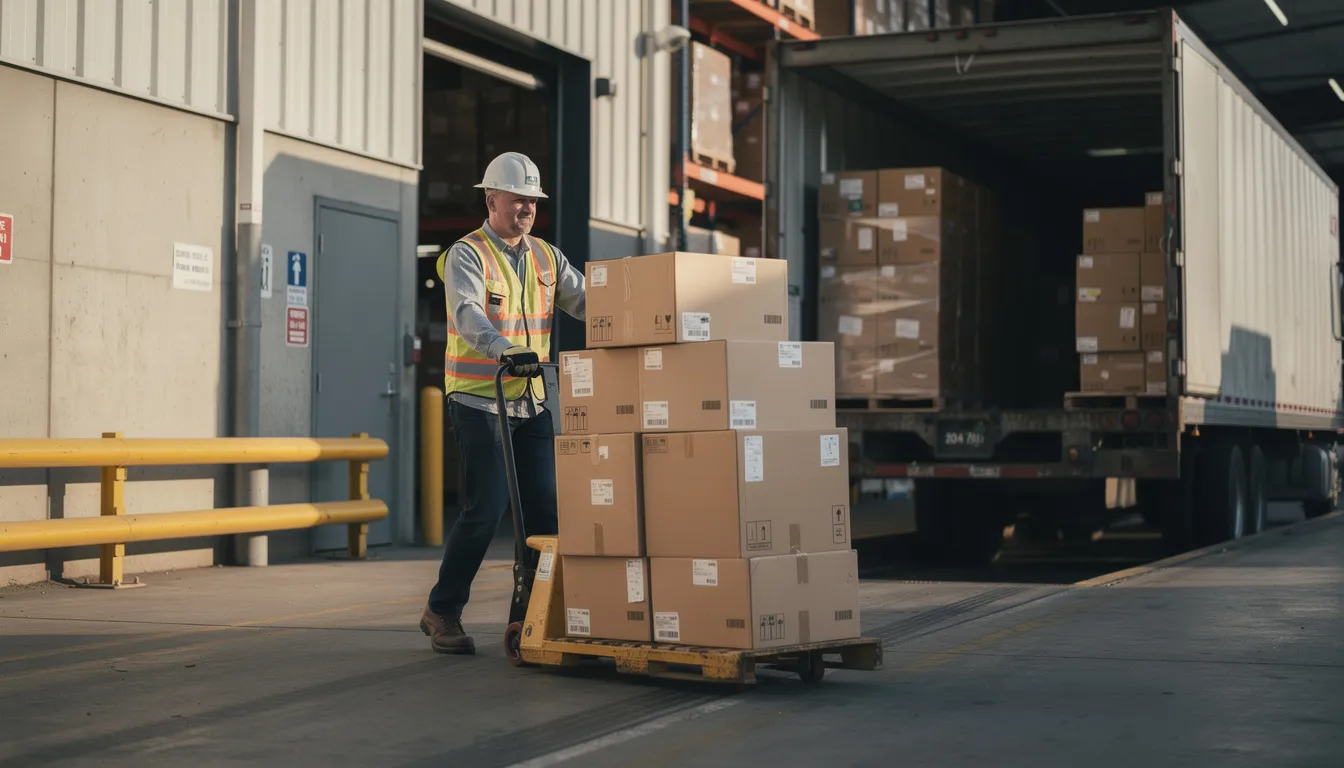
Heavy lifting remains the leading cause of most common workplace injuries in Missouri. Manufacturing reported 1,101 lifting-related incidents in 2023, while transportation and warehousing logged 582 cases. Healthcare workers suffer injuries from repositioning patients, warehouse staff strain muscles loading trucks along I-70, and construction workers on mid-Missouri job sites develop back injuries from moving materials daily.
Biomechanically, improper lifting can place forces exceeding 3-4 times body weight on the spine, leading to disc herniations and chronic pain. These overexertion injuries often result in musculoskeletal disorders requiring extensive rehabilitation services.
Slips, Trips, and Falls
Falls slips and trips are common occurrences across every industry. Same-level falls accounted for 1,046 incidents in health care alone, while construction reported 212 ladder and scaffolding falls. Even office workers can suffer injuries from wet floors or uneven surfaces.
The physics are straightforward: when slip coefficients drop below 0.5 on wet surfaces, workers lose traction. Falls from heights exceeding six feet often produce severe injuries including fractures and head injuries. OSHA’s fall prevention resources offer detailed guidance on reducing these risks.
Contact With Objects and Equipment
Cuts, punctures, and crush injuries from equipment contact occur frequently in manufacturing, construction, and healthcare settings. Health care workers reported 1,203 cuts or punctures in 2023, often from medical instruments. Non-powered hand tools caused 1,055 incidents, while heavy machinery and falling objects contributed to serious injury cases across multiple industries.
Construction sites present particular hazards, where a falling object or contact with equipment can cause broken bones, head injuries, or fatal injuries. Even seemingly minor cuts can become severe injuries if they damage tendons or become infected.
Violence and Incidents Involving Other Persons
Perhaps surprisingly, assaults by fellow workers or patients represent a major cause of workplace injury in Missouri. Health care and social assistance reported 2,497 such incidents—the highest single cause in that industry. Public administration workers, including law enforcement and corrections officers, face similar risks with 584 incidents involving interactions with other persons.
This violence extends beyond physical assaults to include psychological trauma requiring medical care and time away from work.
Work-Related Motor Vehicle Crashes
Vehicle accidents involving truck drivers, delivery workers, and employees traveling between job sites cause some of the most severe injuries and fatalities. Transportation and warehousing consistently ranks among the deadliest sectors, and MoDOT reported nine protective vehicle crashes in Q4 2025 involving work zone employees alone.
These crashes often involve third-party liability beyond workers compensation, potentially entitling injured workers to additional compensation.
Most Common Types of Injuries Missouri Workers Experience
Understanding the difference between “cause of injury” and “type of injury” helps workers document their claims properly. For example, lifting is the cause; a lumbar strain is the injury type. This distinction affects how insurers evaluate claims and authorize medical benefits. When discussing the most common causes of workplace injuries in Missouri during 2025, it’s important to also consider the most common injuries themselves, as these frequently occur across various industries, from office settings to construction sites.
Missouri data from recent years consistently shows the following most common types of injuries:
Musculoskeletal Injuries
Strains, sprains, and tears dominate Missouri’s workplace injury statistics. Health care reported 3,724 such injuries, while manufacturing logged 3,525. These include:
- Back injuries from lifting, twisting, or prolonged exposure to awkward postures
- Shoulder injuries like rotator cuff tears from repetitive overhead work
- Neck strains from poor ergonomics or sudden movements
- Herniated discs requiring surgery and extended recovery
- Repetitive motion injuries including carpal tunnel syndrome from assembly work or keyboard use
Repetitive strain injuries (RSIs) are among the most common ailments that can befall an employee, particularly in jobs involving continuous computer use.
A Columbia warehouse worker suffering a rotator cuff tear from repetitive overhead lifting or a Central Missouri nurse with a serious back strain from repositioning patients exemplify these common injuries.
Workplace ergonomics play a significant role in preventing overuse and strain injuries.
Impact Injuries
Contusions (bruises) and fractures from falls or falling objects rank second in frequency. Health care reported 3,239 contusions, while manufacturing saw 1,917. Fractures are particularly common in construction, with 382 reported cases. These injuries often require extensive medical treatment and rehabilitation costs that strain injured workers and their families.
Cuts and Lacerations
Sharp tools, machinery, and medical instruments cause significant numbers of lacerations across Missouri workplaces. Manufacturing reported 1,805 lacerations, while construction logged 647. These range from minor cuts requiring medical attention to severe injuries involving tendons or blood vessels.
Puncture Wounds
Healthcare workers face particular risk of puncture wounds from needles and sharp instruments, with 2,304 incidents reported. These injuries carry additional concerns about exposure to hazardous substances and bloodborne pathogens.
Occupational Illnesses
Beyond acute injuries, Missouri workers suffer from occupational illnesses caused by prolonged exposure to harmful substances, respiratory issues from dust or chemical exposure, and conditions caused by hazardous materials. Workers in waste management, manufacturing, and agriculture face elevated risks.
Lost time statistics reveal which injuries cause the longest absences. Missouri reported 6,136 lost time incidents through 2025, with numbers dropping from 906 in January to just 29 in December—possibly reflecting seasonal variations or reporting lags. Musculoskeletal injuries and fractures typically result in the longest recovery periods and greatest financial burden on injured employees.
High-Risk Missouri Occupations and Environments
While any Missouri worker can suffer injuries, certain job roles and environments face particularly high risk for serious accidents and long-term disability.
High-risk occupations common in Central Missouri include:
- Construction laborers and roofers – exposed to heights, heavy equipment, and weather extremes
- Heavy equipment and farm machinery operators – risk of crush injuries and vehicle accidents
- Nurses and nursing assistants – patient handling, needlesticks, and workplace violence
- Manufacturing and assembly line workers – repetitive motion, heavy machinery, and hazardous materials
- Warehouse, freight, and parcel workers – heavy lifting, falling objects, and vehicle traffic
- Law enforcement and corrections officers – violence, motor vehicle pursuits, and physical altercations
- Public works employees – roadside hazards, heavy machinery, and weather exposure
Central Missouri’s economic mix contributes directly to these hazards. Columbia’s hospitals and higher education institutions employ thousands of healthcare workers facing patient handling risks. Agriculture and transportation along I-70 and U.S. 63 expose workers to dangerous jobs involving heavy machinery and vehicle accidents. Construction growth in Boone County means more construction worker injuries from falls, equipment contact, and overexertion.
Environment matters as much as job title. Outdoor worksites expose workers to weather, heights, and uneven surfaces. Factories with heavy machinery create crush injury and amputation risks. Busy roadways endanger delivery drivers and truck drivers. Crowded hospitals present violence and ergonomic hazards.
OSHA’s consultation services and the Missouri Department of Labor’s safety programs offer resources for employers seeking to reduce these risks through improved safety protocols.
Even workers in seemingly “lower-risk” office settings can suffer injuries from falls, poor ergonomics causing muscle strains and repetitive motion injuries, or workplace violence. No occupation is entirely without risk.
How These Injuries Affect Missouri Workers’ Compensation Claims
Missouri operates a no fault system for workers compensation, meaning injured employees can receive benefits regardless of who caused the workplace accident. The Missouri Division of Workers’ Compensation administers this system under state laws designed to provide financial support for work related injuries.
Under Missouri workers compensation, injured workers may receive:
- Medical benefits covering all reasonable and necessary medical treatment
- Temporary total disability (TTD) providing wage replacement while recovering
- Permanent partial disability (PPD) for lasting impairments
- Vocational rehabilitation when injuries prevent return to previous work
- Death benefits for dependents of workers killed on the job
The cause and type of injury significantly influence claim outcomes. Insurers may dispute whether an injury is truly work-related, limit authorized medical care, contest the duration of TTD payments, or challenge permanent disability ratings.
Common issues we see in our Columbia and Central Missouri practice include:
- Insurers downplaying repetitive motion injuries as pre-existing conditions
- Denying that prior back or knee conditions were aggravated at work
- Disputing the extent of permanent impairment after fractures or surgery
- Delaying authorization for necessary medical expenses
Critical deadlines apply to Missouri workers compensation claims. Injured employees should:
- Report injuries to their employer within 30 days (immediately is better)
- File a Claim for Compensation within two years of the injury date
- Seek medical attention promptly to document the connection between work and injury
The Division of Workers’ Compensation provides detailed guidance on these requirements.
Some workplace accidents—particularly vehicle accidents, exposure to hazardous substances, or equipment failures caused by defective products—may support additional third-party claims beyond workers comp. These claims can provide compensation for lost wages and pain and suffering not covered by workers compensation benefits.
Lost Time and Productivity After Workplace Injuries in Missouri
Lost time and reduced productivity are among the most significant consequences of workplace injuries in Missouri, affecting not only injured workers but also employers and the broader economy. When an employee suffers a workplace injury—whether it’s a back injury from heavy lifting, carpal tunnel syndrome from repetitive motion, or a fracture from a fall—the impact often extends far beyond the initial medical treatment. Injured employees may require days, weeks, or even months away from work to recover, attend medical appointments, or participate in rehabilitation services. This absence can disrupt workflow, increase the workload for other team members, and ultimately lead to decreased morale and efficiency.
Missouri’s most common workplace injuries—such as musculoskeletal disorders, repetitive motion injuries, and slips, trips, and falls—are leading causes of lost time. These injuries frequently result in chronic pain or more severe injuries that make it difficult for workers to return to their previous roles. Construction workers, truck drivers, and those in manufacturing are especially vulnerable due to the physical demands and hazardous environments of their jobs. In 2023 alone, Missouri reported 88,295 workplace injury incidents and 87 workplace fatalities, with construction and retail trade industries experiencing the highest number of fatal injuries. The most common causes of these injuries include falls, slips, and trips, as well as accidents involving heavy machinery, falling objects, and hazardous substances.
For injured workers, lost time means lost wages and a growing financial burden. Workers compensation benefits in Missouri are designed to provide crucial financial support, covering medical expenses, rehabilitation costs, and a portion of lost wages. However, navigating the workers compensation system can be complex, and delays or disputes with insurance companies can add stress during an already difficult time. Injured employees may also face long-term challenges, such as chronic pain or permanent disability, which can impact their ability to return to work or perform their previous job duties.
Employers, too, face significant challenges when workplace accidents lead to lost time. Productivity declines, overtime costs may rise, and the business may incur additional expenses for temporary staffing or training new employees. To significantly reduce the risk of lost time and workplace accidents, employers should implement robust safety protocols, provide regular training, and encourage a culture of safety where employees feel comfortable reporting hazards and near-miss incidents. Conducting regular hazard assessments and investing in ergonomic equipment can also help prevent common workplace injuries.
Vocational rehabilitation programs play a vital role in helping injured employees return to work or transition to new roles if they are unable to perform their previous duties. These programs may include job retraining, education, and placement services, enabling workers to regain their productivity and contribute to the workforce once again.
Ultimately, lost time and productivity after workplace injuries in Missouri can have far-reaching consequences for both employers and employees. By understanding the most common causes of workplace injuries, prioritizing injury prevention, and supporting injured workers through workers compensation benefits and vocational rehabilitation, we can create safer, more productive workplaces. If you or a loved one has suffered a work related injury, seeking guidance from an experienced Missouri workers compensation attorney can help ensure you receive the medical care, financial support, and compensation you deserve—so you can focus on recovery and getting back to work.
What Injured Missouri Workers Should Do After a Workplace Accident
The actions you take in the hours and days after a workplace injury can significantly affect your workers compensation case. Following proper procedures helps protect your right to receive benefits.
Immediate Steps:
- Report the injury immediately – Notify your supervisor or employer in writing if possible. Missouri law requires reporting within 30 days, but delays can create disputes about when and how the injury occurred.
- Seek medical care – Request treatment from the employer-authorized medical provider as required under Missouri law. For emergencies, go to the nearest emergency room immediately.
- Document everything – Collect names of witnesses who saw the accident. Take photos of the scene, defective equipment, or unsafe conditions if safe to do so.
- Keep records – Maintain copies of all medical records, work restrictions, and written communications from your employer and their insurance company.
Protecting Your Rights:
- Avoid giving recorded statements to insurance adjusters before understanding your rights
- Do not sign settlement documents without consulting an attorney
- Follow all medical treatment recommendations and work restrictions
- Consider speaking with a Missouri workers compensation attorney early in the process
The Missouri Department of Labor provides checklists and FAQs for injured workers navigating this process.
Injured workers in Central Missouri—including those in Columbia, Jefferson City, Fulton, and surrounding counties—can contact our office at 1902 Corona Road, Suite 200, Columbia, MO for help with these steps.
Why Work With The Law Office of Chris Miller After a Workplace Injury
While government resources provide general information about workers comp rights, an experienced local attorney can help you apply those rules to your specific situation and fight for the benefits you deserve.
The Law Office of Chris Miller focuses on legal matters directly relevant to injured employees:
- Missouri workers compensation – helping injured workers secure medical benefits, wage replacement, and permanent disability compensation
- Personal injury – pursuing additional claims when third-party negligence contributed to workplace accidents
- Employment law – representing workers facing wrongful termination or retaliation after reporting a workplace injury
We offer free consultations to injured workers throughout Columbia and Central Missouri. Our team helps clients understand the full range of workers compensation benefits available, including medical coverage, temporary wage replacement, permanent disability ratings, and vocational rehabilitation when injuries prevent return to previous work.
Located at 1902 Corona Road, Suite 200, Columbia, Missouri, we’re familiar with local employers, insurance companies, and the regional workers’ compensation courts. We understand how Central Missouri’s industries—from healthcare and education to manufacturing and construction—create specific risks for workers.
If you’ve suffered a workplace injury—whether from lifting, a fall, equipment failure, or a vehicle crash while on the job—contact The Law Office of Chris Miller today to schedule your free consultation.
We’re well versed in Missouri workers compensation law and ready to help you significantly reduce the stress of navigating the claims process while you focus on recovery. Don’t let medical expenses, lost wages, and insurance company delays create additional financial burden during an already difficult time.
Contact us today to discuss your case and learn how we can help you receive benefits for your work related injuries.